Diesel Generators for Harsh Environments Ensuring Reliable Power Supply in Challenging Conditions


Introduction
Diesel generators play a crucial role in providing reliable power supply in harsh environments where traditional power sources may not be sufficient. These environments include remote locations, off-grid sites, and industrial settings where extreme weather, temperature variations, and other challenging conditions can impact power generation and distribution. In this article, we will explore the significance of diesel generators in such environments, their key features, and the factors to consider when selecting and maintaining them.
Importance of Diesel Generators in Harsh Environments
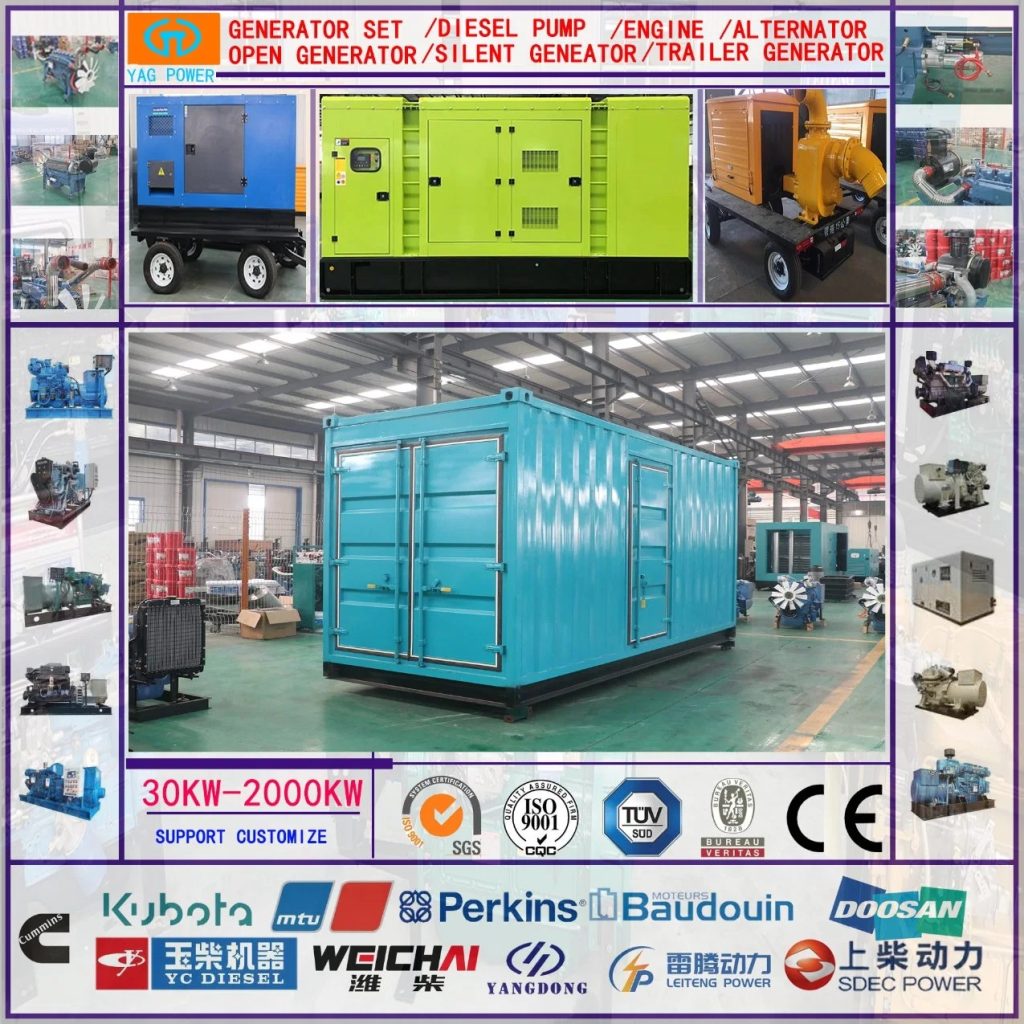
In harsh environments, the availability of a reliable power supply is essential for various critical operations such as industrial processes, emergency response, telecommunications, and healthcare facilities. Diesel generators are well-suited for these environments due to their ability to operate efficiently and consistently under challenging conditions. They are particularly valuable in remote areas where access to the main power grid is limited or non-existent.
One of the key advantages of diesel generators is their ability to provide a dependable source of backup power during power outages or emergencies. In 500kw diesel generator , where extreme weather events or natural disasters can disrupt the primary power supply, diesel generators serve as a critical lifeline, ensuring that essential services and operations can continue without interruption.
Key Features of Diesel Generators for Harsh Environments
Several key features make diesel generators well-suited for operation in harsh environments:
1. Robust Construction: Diesel generators are designed to withstand rugged conditions, with heavy-duty components and enclosures that provide protection against dust, moisture, and other environmental factors. This robust construction ensures the durability and longevity of the generator, even in harsh operating environments.
2. High Performance: Diesel generators are known for their high performance and reliability. They are capable of providing continuous power output for extended periods, making them suitable for sustained operation in challenging conditions.
3. Fuel Efficiency: Diesel generators are more fuel-efficient than their gasoline counterparts, making them a cost-effective choice for long-term operation in remote or off-grid locations. This fuel efficiency is particularly important in harsh environments where access to fuel sources may be limited.
4. Temperature Tolerance: Diesel generators are designed to operate effectively across a wide range of temperatures, from extreme cold to high heat. This makes them suitable for deployment in environments with significant temperature variations, such as deserts, arctic regions, or tropical climates.
5. Easy Maintenance: Diesel generators are relatively low-maintenance, with simple and robust mechanical systems that are easy to service and repair. This is an important consideration in harsh environments where access to specialized maintenance facilities may be limited.
Selecting a Diesel Generator for Harsh Environments
When selecting a diesel generator for operation in harsh environments, several key factors should be taken into consideration:
1. Power Output: The power output of the generator should be matched to the specific requirements of the intended application. It is important to assess the total load demand and select a generator with sufficient capacity to meet the power needs of the environment.
2. Environmental Conditions: Consider the specific environmental conditions in which the generator will be operating, including temperature extremes, humidity levels, and exposure to dust, moisture, or corrosive elements. Choose a generator with appropriate environmental protection features to ensure reliable performance in these conditions.
3. Fuel Availability: Assess the availability of diesel fuel in the operating environment. In remote or off-grid locations, it may be necessary to consider fuel storage and supply logistics to ensure continuous operation of the generator.
4. Portability and Installation: In some cases, portability and ease of installation may be important factors to consider. Look for generators that offer flexible installation options and transportation features, especially in remote or temporary deployment scenarios.
5. Compliance and Certification: Ensure that the selected generator complies with relevant industry standards and regulations for operation in harsh environments. Look for certifications or approvals that validate the generator's suitability for use in challenging conditions.
Maintaining Diesel Generators in Harsh Environments
Proper maintenance is essential to ensure the reliable and efficient operation of diesel generators in harsh environments. Regular maintenance activities should include:
1. Inspection and Cleaning: Regular inspection of the generator and its components is necessary to identify and address any signs of wear, damage, or corrosion. Cleaning the generator and its surrounding area helps prevent the buildup of dirt, debris, and contaminants that can compromise performance.
2. Fluid Checks and Replenishment: Monitoring and maintaining appropriate levels of fuel, oil, and coolant is critical to the proper function of the generator. Regular checks and replenishment of these fluids help ensure optimal performance and prevent potential damage or malfunctions.
3. Filter Replacement: Air, fuel, and oil filters should be inspected and replaced according to the manufacturer's recommendations. Clean filters are essential for maintaining the efficiency and longevity of the generator's engine and components.
4. Battery Maintenance: The generator's starting batteries should be inspected, tested, and maintained to ensure reliable starting and operation. Regular checks of battery condition and charge levels are essential for preventing unexpected failures.
5. Scheduled Servicing: Following the manufacturer's recommended service schedule is crucial for maintaining the generator's performance and reliability. Scheduled servicing should include comprehensive inspections, testing, and any necessary adjustments or repairs.
Conclusion
Diesel generators play a vital role in providing reliable power supply in harsh environments, where traditional power sources may not be sufficient. Their robust construction, high performance, fuel efficiency, temperature tolerance, and easy maintenance make them well-suited for operation in challenging conditions. When selecting and maintaining diesel generators for harsh environments, it is essential to consider factors such as power output, environmental conditions, fuel availability, portability, compliance, and maintenance requirements. By ensuring proper selection and maintenance, diesel generators can continue to serve as a dependable source of power in the most demanding of environments, supporting critical operations and infrastructure around the world.